Local Knowledge and Ecological Context: City Making Lessons from Chicago’s Wild Mile

Subscriber Access

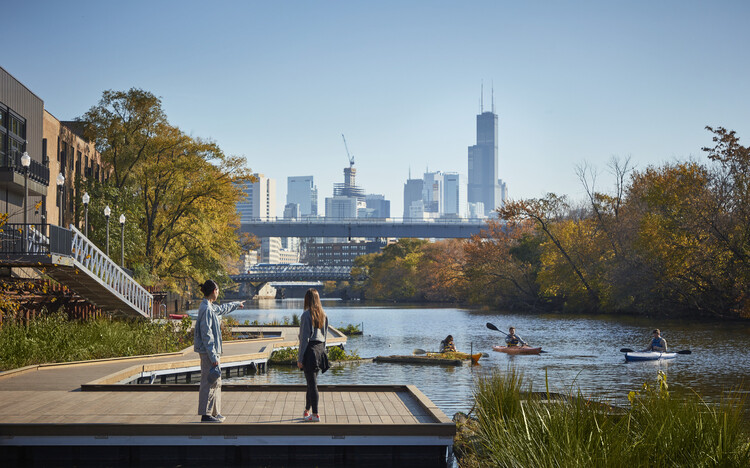
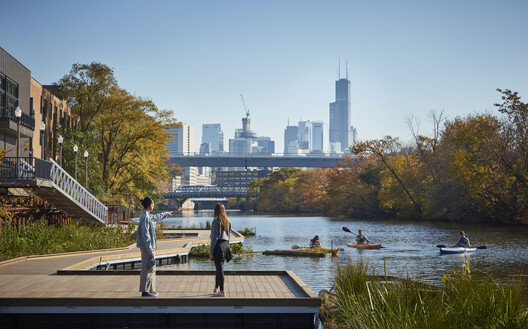
For more than a century, residents of growing American cities reshaped their rivers to serve industrial and manufacturing needs. Waterways were straightened, deepened, paved, or buried to support shipping routes and to move materials efficiently across regions. These transformations created an urban landscape in which rivers were treated as productive infrastructure rather than as living ecological systems.

This approach left a lasting imprint. Riparian habitats disappeared, water quality declined, regional biodiversity grew vulnerable, and communities grew accustomed to river corridors dominated by steel walls and concrete channels. The industrial reshaping of rivers in places such as Chicago, Los Angeles, and the Mississippi basin created durable patterns of development that still influence how cities function today.


Local Knowledge and Ecological Context: City Making Lessons from Chicago’s Wild Mile - Image 2 of 12Local Knowledge and Ecological Context: City Making Lessons from Chicago’s Wild Mile - Image 3 of 12Local Knowledge and Ecological Context: City Making Lessons from Chicago’s Wild Mile - Image 4 of 12Local Knowledge and Ecological Context: City Making Lessons from Chicago’s Wild Mile - Image 5 of 12Local Knowledge and Ecological Context: City Making Lessons from Chicago’s Wild Mile - More Images+ 7

Content Loader

Image gallery

See allShow less
About this author
Cite: Olivia Poston. "Local Knowledge and Ecological Context: City Making Lessons from Chicago’s Wild Mile" 03 Dec 2025. ArchDaily. Accessed . <https://www.archdaily.com/1036351/local-knowledge-and-ecological-context-city-making-lessons-from-chicagos-wild-mile> ISSN 0719-8884

You've started following your first account!

Did you know?

You'll now receive updates based on what you follow! Personalize your stream and start following your favorite authors, offices and users.